
The Home That Kept Her Family Together
When Julie talks about her home, she does not talk about square footage or rent. She talks about what it made possible, from her health and her children to her education, her career, and her future. For Julie, stable housing was not just a place to live. It was the foundation that held everything else up.
When the Ground Gave Way
About six years ago, Julie lost her home. It did not happen because of carelessness or poor choices. Life simply shifted in a way that left her with no other options. She was stuck, without a place to go that would also allow her to hold onto her job. So she made one of the hardest decisions a mother can make. She sent her daughter to stay with her sister in another city while she stayed behind, essentially homeless for an entire year, trying to find her footing.
"During that time, I felt really defeated," she says.
That kind of defeat is not just emotional. It is the weight of carrying everything alone, with no stable place to land. For people in Julie's situation, the barrier is rarely effort or willpower. It is the absence of somewhere safe and affordable to start rebuilding from.
What Public Housing Actually Does
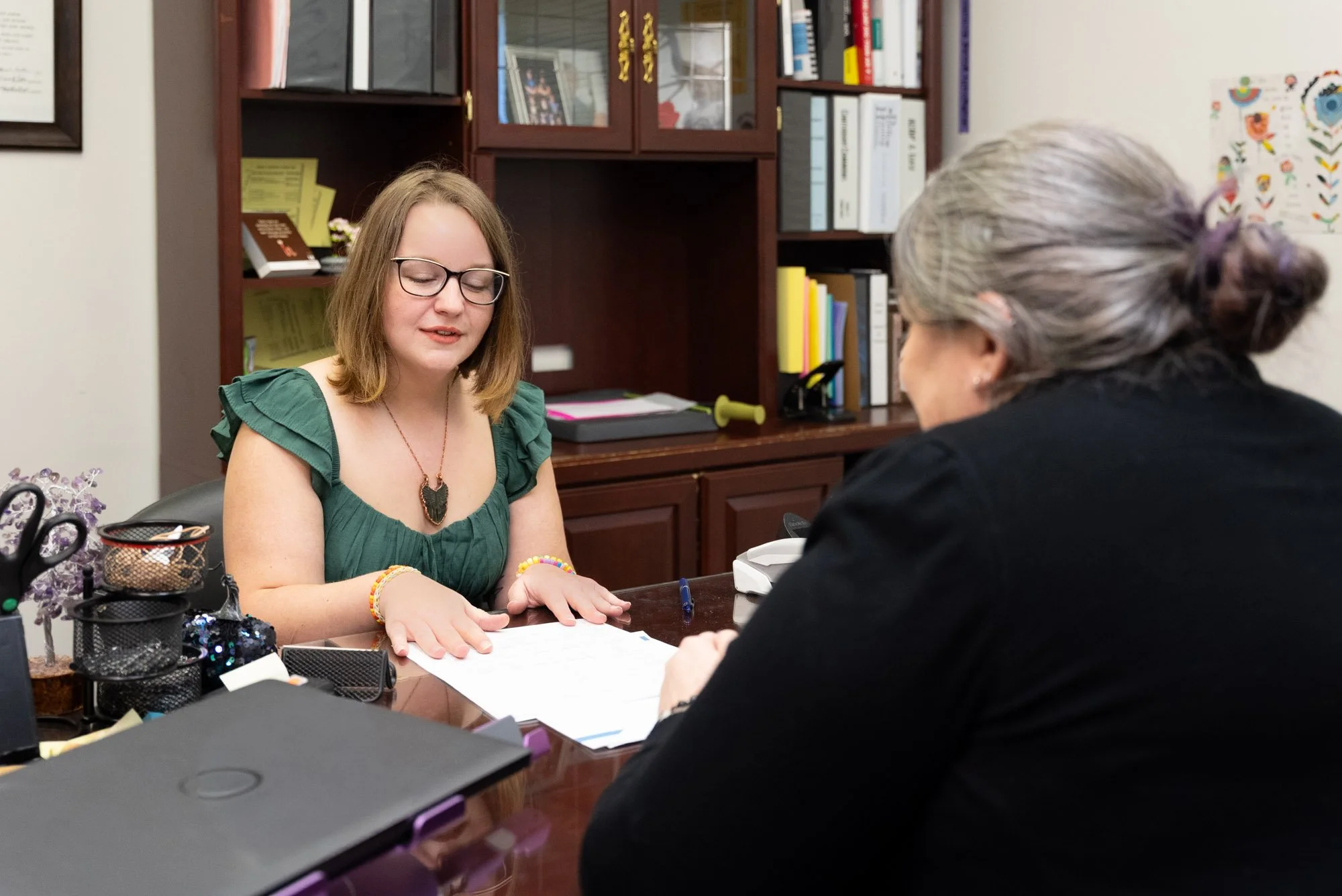
Public Housing exists because life is unpredictable. A health crisis, a job loss, or an income that does not stretch far enough can put stable housing out of reach for anyone. For people in those moments, having somewhere stable and affordable makes it possible to get back on their feet.
The Waynesboro Redevelopment and Housing Authority owns and operates 188 units across the City of Waynesboro, spread across six communities: Winchester Gardens, Kings Way, Parkway Court, Ivanhoe Heights, Springdale, and Delphine Court. Units range from one to four bedrooms, and rent is set at 30% of a household's adjusted monthly income, not a fixed number that ignores what life actually costs.
That structure is the whole point. If a resident's hours get cut because they were hurt, or they miss work because a child got sick, or they lose a job with no savings to fall back on, they can report the change. The rent adjusts to become affordable again. WRHA also keeps all utilities in its name, which means residents do not face a utility deposit to move in, which is one less barrier at a moment when every barrier counts.
A Health Crisis That Could Have Changed Everything
Julie had always dealt with health challenges. But while living in WRHA housing, things got worse, and they got worse fast. She found herself hospitalized frequently, missing significant time at work, unable to maintain the income she had been counting on.
Without housing that could flex with her circumstances, that season of illness could have meant losing everything again. Because her rent could change with her income, it did not. She stayed housed and stable, and that stability gave her the space to focus on getting better.
A Safe Place to Raise Her Girls
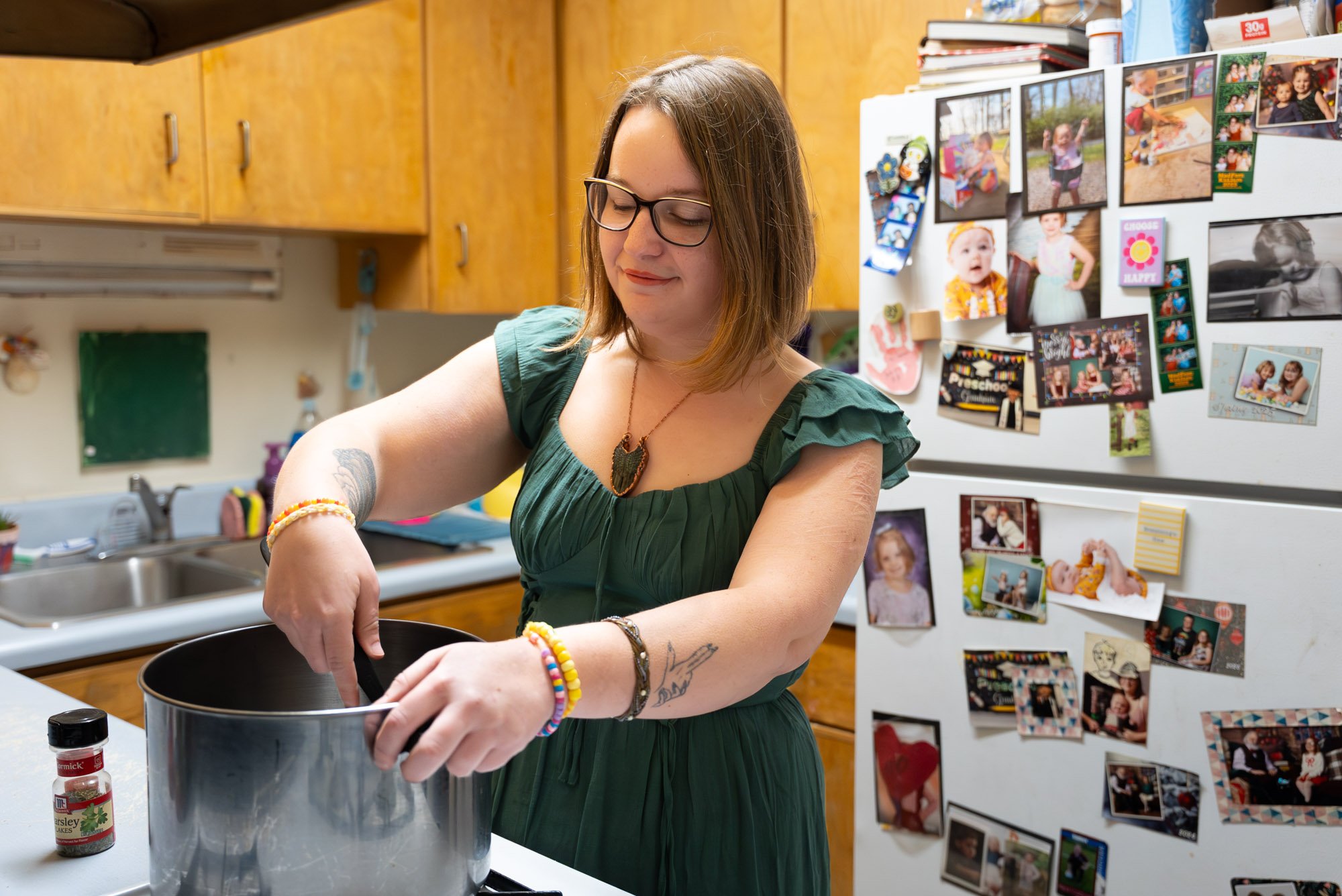
Today, Julie is raising two daughters in her home, and she describes the experience with the kind of quiet certainty that only comes from lived proof.
"Raising my daughters in the housing has been a great experience," she says. "They've made the best friends and it's a safe place for them to go outside and play."
As a mother, what matters most is not the address or the zip code, but the safety, the comfort, and the chance to thrive. Her daughters have found exactly that.
The people at WRHA see it too. "Julie is a role model not only to her neighbors, but to anybody who comes into contact with her that finds out that she's a resident in a WRHA property," one WRHA staff member shared. "She is a success story."
A Journey Far From Over
Julie is a part-time working, disabled single mother of two. She is looking into school and building toward a career. She is nowhere near the beginning of her journey, and she is the first to say she is nowhere near the end of it either.
"I'm excited for the things to come next," she says. "Thanks to WRHA, I have so many opportunities to improve my life, and I plan on taking all of them."
That is what stable housing makes possible: not just a roof, not just relief, but real room to grow.
If you or someone you know is facing housing instability, WRHA may be able to help. To be eligible for Public Housing, applicants must fall under 50% of the area median income, be a U.S. citizen or hold eligible immigrant status, and meet WRHA's screening standards. Preference points are awarded to Waynesboro residents and workers, veterans, working families, graduates of job training programs, and those experiencing homelessness or substandard housing conditions.
Applying is straightforward. Visit the WRHA office on Tuesday or Wednesday between 9–11 a.m. or 1–3 p.m. at 1700 New Hope Road in Waynesboro and bring photo identification, your Social Security card, and birth certificates for all adults and children in the household. A Housing Technician will walk you through the rest.
For immediate housing needs, the Valley Housing Crisis Hotline is available at (540) 213-7347. Learn more about WRHA's Public Housing program below.
